
The Wall as a Changing Image
The DispossessedThe wall shifts from a physical boundary into a symbol for childhood fear, social conformity, political separation, and the possibility of opening a way through.
increasing Bearing strength in each event
 decreasing
Bearing strength in each eventdecreasingThe Port Boundary
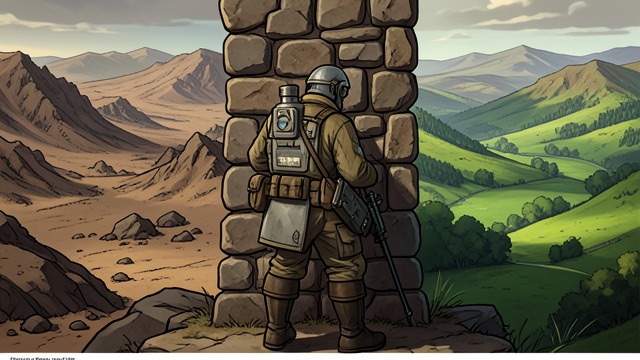
The Wall’s Two Meanings
A line that encloses
The wall appears to be only rough stone, but its meaning changes according to which side a person occupies. It can protect Anarres or imprison it.
A political image
The wall is not merely a border between planets. It introduces the novel’s concern with boundaries that appear natural after generations of habit.
The Child’s Dream
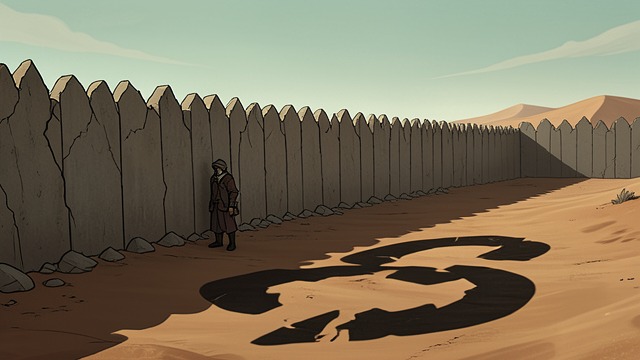
The Wall in the Mind
A road stopped
Shevek dreams of a wall extending across the horizon and preventing him from going home. The barrier translates his early fear of separation into a stark physical image.
A possible foundation
A primal number appears where the wall’s shadow falls. The dream suggests that unity and plurality may be related rather than opposed, anticipating his later scientific work.
The Fort Still Stands
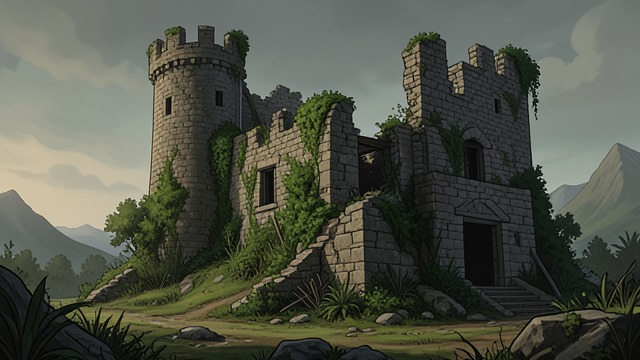
History Made Visible
Odo’s prison remains
Shevek sees the ruined Fort in Drio even after his guides claim the old site has been removed. Its endurance contradicts the idea that the past can simply be cleared away.
A lesson in return
The ruins make Shevek reconsider the settlers’ refusal of their history. A future built by denial may remain haunted by what it refuses to inherit.
The Locked Campus
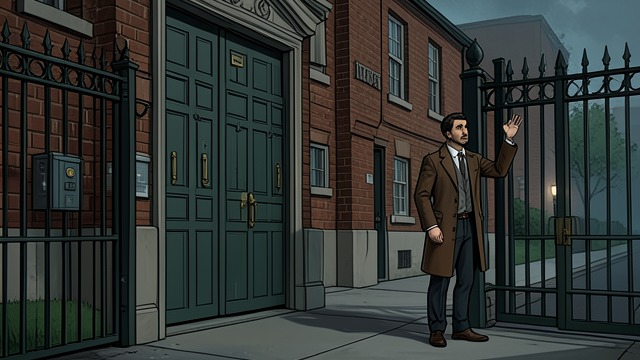
Protection Becomes Imprisonment
A guest constrained
Shevek is told that travel is restricted and that his movements may require clearance. The comfortable university enclosure now resembles the cage he had not recognized.
Seeing the same act
His earlier observation that locking in and locking out are the same act returns in political form. Security can protect a guest while also controlling him.
A Door at the End
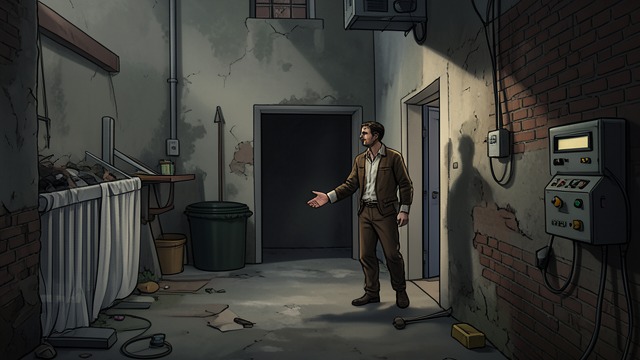
Crossing Without Guarantee
The boundary is reopened
Shevek interprets the settlement’s restrictions as a human decision, not an immutable law. He allows Ketho’s personal wish to land to challenge the inherited exclusion.
Freedom with responsibility
Shevek warns that crossing will bring danger and loneliness. The wall can be opened only if the people on both sides accept responsibility for what follows.
At the opening of the novel
During Shevek’s childhood
During Shevek’s first months on Urras
After wartime restrictions begin on Urras
At the ending, as Ketho asks to land
